
Is Silence a Strength? When Resilience Turns into Isolation
Ashraf Ibrahim
11/8/20252 min read
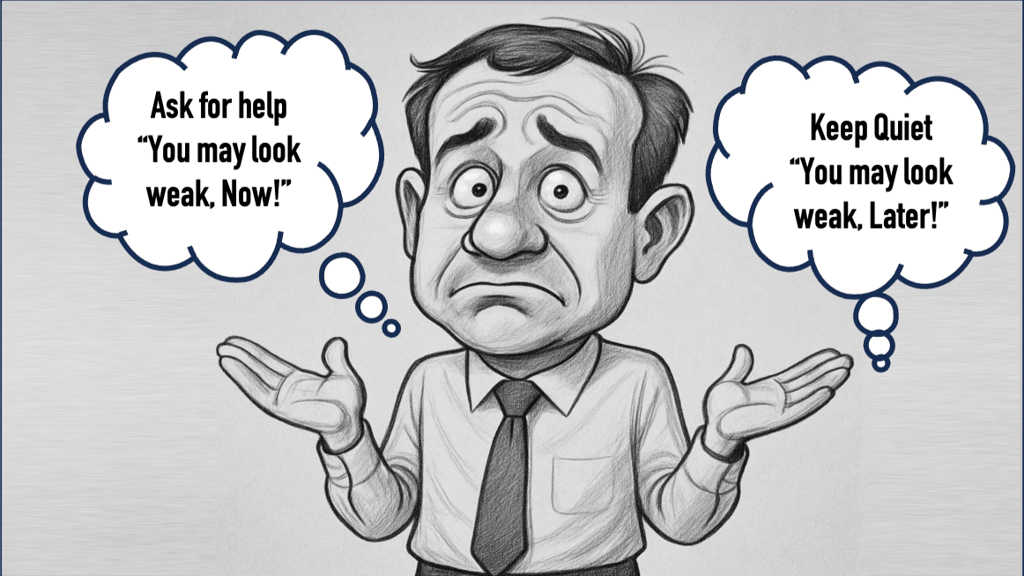
We admire leaders who endure, who push through pressure without flinching. But what if the very trait we celebrate, resilience, becomes the mask that hides our silent collapse?
A few months ago, a newly promoted official in a large government sector found himself exactly where he dreamed of being: at the head of a department that mattered. The promotion ceremony was full of applause, handshakes, and congratulations. But what came after was far less glamorous.
Within weeks, the volume of responsibilities, political pressures, and expectations became unbearable. Strategic decisions had to be made faster than he could analyze them. Staff were looking to him for clarity he didn’t yet have. Reports piled up. Crises multiplied. He barely slept.
But he never asked for help.
Why? Because he believed that asking for help would be admitting he wasn’t ready. That it would expose a crack in his armor. He wore his stress like a badge of honor, thinking: Resilience means enduring this alone.
Until one day, during a private meeting, a senior advisor quietly asked: "Are you okay?"
He paused… then said something he hadn't even admitted to himself: "I don’t know how to do all of this alone. But I’m not sure who to turn to anymore."
Now pause for a moment. Put yourself in his shoes. What would you do next? Would you keep pushing silently, hoping to adjust before it breaks you, or would you ask for help? And if the answer is the latter… who would you ask, and how?
The Expert View: When Real Leaders Ask for Help
Resilience isn't about suffering silently. It’s about knowing how to carry the load, and when to redistribute it wisely. Here’s what I teach rising leaders in my mentoring sessions:
1. Know Whom to Ask
Not all help is helpful. Venting to someone without context or authority may feel like release but it rarely leads to action. A true leader knows the difference between a confidant and a contributor. When you ask for help:
Choose someone with relevant experience, decision-making authority, or domain knowledge.
Avoid spreading stress to those who are powerless to change the situation—they can’t support you, and you’ll feel more isolated when nothing shifts.
2. Know How to Ask
Ambiguous cries for help often sound like panic. That’s not leadership.
Instead, frame your request like this:
“Here’s the challenge I’m facing. I’ve considered A and B, but I’d value your input on C. What I need from you is the following…”
That’s not weakness. That’s strategic delegation. It shows clarity and self-awareness.
And remember...
Leaders aren’t judged by what they struggle with. They’re judged by how they handle struggle.
You don’t become a better leader by carrying more weight than you should. You become a better leader by building the muscle of clarity, support, and smart communication.
Resilience is not the absence of support; it’s the wisdom to seek it, wisely and purposefully.
If you’re a new leader stepping into higher pressure, don’t wait until the silence gets loud. Reach out. Clarify. Learn to ask with precision. And if you’re mentoring future leaders—teach them that resilience isn’t solitary endurance. It’s the courage to seek what they need to succeed.
Let’s normalize powerful help-seeking in leadership.